The appeal of escape rooms lies in a delicate balance. Players want to feel challenged without feeling lost, immersed without feeling overwhelmed, and guided without losing independence. Understanding how escape rooms are designed reveals a layered creative process that blends storytelling, spatial planning, psychology, and logic.
Every detail, from lighting to puzzle order, shapes how participants think and react under pressure. When done well, the experience feels intuitive, rewarding, and memorable rather than frustrating or confusing.
Escape room design does not begin with locks or riddles. It starts with human behavior, group dynamics, and the way adults approach unfamiliar problems together. Designers study how people communicate, divide tasks, and respond to time limits. These insights guide every design decision that follows, shaping rooms that feel fair, engaging, and purposeful from start to finish.
The Foundation of Escape Room Design: Concept and Intent
Every escape room begins with a clear intent. Designers decide what type of experience players should have before any physical elements exist. Some rooms emphasize logic-heavy puzzles, while others focus on narrative immersion or teamwork. This initial direction determines pacing, difficulty progression, and emotional tone.
Themes serve as more than decoration. A strong concept gives puzzles meaning within the story. A code does not exist simply to open a lock; it represents an action that fits the environment and narrative. This alignment helps players understand why tasks matter, which supports engagement and motivation throughout the game.
Designers also define the target difficulty early. A room designed for first-time players requires clear visual cues and accessible logic. A room built for experienced groups introduces layered puzzles, misdirection, and parallel problem paths. Difficulty planning at this stage helps avoid uneven challenges later.
Storytelling as a Guide for Player Decision-Making
Narrative plays a central role in how escape rooms are designed for fun and difficulty. A cohesive story gives players context, which reduces confusion and keeps attention focused. When players understand the scenario, they make decisions more confidently and connect clues more naturally.
Stories also create emotional momentum. An opening hook draws players into the experience quickly, while mid-game reveals sustain interest. A strong ending gives closure and satisfaction. Designers often map the narrative arc alongside puzzle progression so that discoveries feel meaningful rather than random.
Puzzles act as plot points within this structure. Solving one challenge might reveal a hidden motive, unlock a new area, or shift the perceived goal.
Puzzle Design: Balancing Logic, Variety, and Accessibility
Puzzles form the core of every escape room, yet variety matters as much as difficulty. Designers avoid repeating the same puzzle type too often, since monotony can disengage players. Instead, rooms mix logic puzzles, pattern recognition, physical interaction, and observation-based challenges.
Balance comes from contrast. A mentally demanding riddle may follow a tactile task that encourages movement. This rhythm helps groups reset mentally while keeping progress steady. It also allows different personalities within a team to contribute, which strengthens collaboration.
Clarity remains a guiding principle. Good puzzles challenge thinking without relying on obscure knowledge. Designers test clues to confirm that solutions rely on information found within the room itself. This approach supports fairness and keeps success tied to observation and reasoning rather than guesswork.
Difficulty Progression and Player Confidence
One of the most important aspects of how are escape rooms designed involves pacing difficulty. Rooms rarely begin with their hardest puzzles. Early challenges build confidence and teach players how to interpret clues within that environment.
As the game progresses, designers gradually layer complexity. Later puzzles may require combining information from earlier discoveries or coordinating multiple actions at once. This progression mirrors how teams learn and adapt, keeping engagement high without overwhelming participants.
Moments of success matter. Designers intentionally place achievable wins throughout the experience. These moments release tension and reinforce motivation, helping teams stay focused during more demanding sections.
Spatial Layout and Environmental Design
The physical layout of an escape room shapes how players move, search, and collaborate. Designers plan space flow carefully to avoid bottlenecks or overcrowding. Rooms often reveal new areas gradually, which creates a sense of advancement and discovery.
Set design supports puzzle clarity. Props serve functional purposes, not just decoration. When every object fits the theme and story, players can distinguish meaningful clues from background elements more easily.
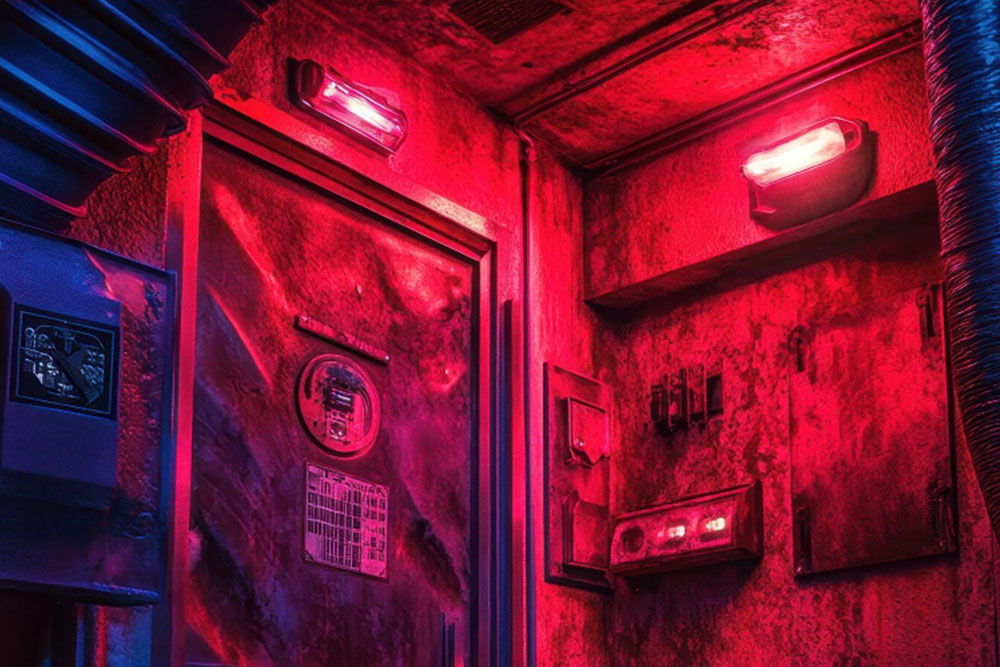
Lighting, sound, and texture influence mood and focus. Subtle environmental cues guide attention without explicit instruction. These design choices help players feel immersed while still maintaining awareness of important details.
Technology and Interactive Elements
Modern escape rooms often incorporate technology to enhance immersion and responsiveness. Electronic locks, sensors, and automated reveals replace traditional padlocks in many designs. These elements allow puzzles to react dynamically to player actions.
Technology also supports pacing. Automated triggers can advance the story or introduce new information at precise moments. This timing helps maintain narrative flow and prevents long stalls.
Designers integrate technology carefully so it feels natural within the environment. Screens, lights, and sound effects align with the theme rather than disrupting it. When used thoughtfully, technology deepens engagement without distracting from problem-solving.
Testing, Feedback, and Iteration
No escape room reaches completion without extensive testing. Playtesting reveals how real players interpret clues, communicate, and move through the space. Designers observe hesitation points, misunderstandings, and moments of excitement.
Feedback guides refinement. A puzzle that feels obvious to designers may confuse first-time players. Adjustments might include clearer visual cues, refined wording, or altered placement. Testing continues until flow feels smooth and intuitive.
Iteration also helps balance time. Designers aim for a consistent experience where most teams reach the final stages without feeling rushed or stalled. This calibration supports fairness across different group skill levels.
Team Dynamics and Cooperative Design
Escape rooms succeed because they encourage collaboration. Designers intentionally include puzzles that require multiple perspectives or simultaneous actions. This structure discourages one person from dominating and invites shared problem-solving.
Communication becomes part of the challenge. Teams must explain discoveries clearly and listen actively. Rooms that reward information sharing tend to feel more engaging and satisfying.
This cooperative design makes escape rooms effective for group experiences such as team building. Participants practice leadership, adaptability, and collective reasoning within a structured, time-bound setting.
Difficulty Customization and Player Support
Designers recognize that not all groups approach challenges the same way. Many rooms include adjustable difficulty elements through hint systems or adaptive guidance. These tools help teams stay engaged without removing autonomy.
Hints work best when subtle. Instead of giving answers, they nudge attention toward overlooked details. This approach preserves satisfaction while preventing prolonged frustration.
Staff training also matters. Knowledgeable hosts monitor progress and offer support at appropriate moments. This balance keeps the experience challenging while respecting different skill levels.
Why Escape Rooms Appeal to Adult Problem Solvers
Adults often seek activities that challenge thinking while remaining social and enjoyable. Escape rooms meet this need by combining logic, creativity, and teamwork within a finite timeframe. The structure mirrors real-world problem-solving without external consequences.
The immersive environment encourages focus. Phones and outside distractions fade, allowing teams to engage fully with the task at hand. This level of presence feels refreshing in a fast-paced digital world.
For many groups, escape rooms offer a rare opportunity to solve problems collaboratively in person. This shared effort strengthens relationships and builds trust through collective achievement.
How Design Quality Shapes the Overall Experience
Not all escape rooms feel the same. Quality design distinguishes memorable experiences from forgettable ones. Thoughtful puzzle integration, consistent themes, and attentive testing contribute to smoother gameplay.
Clean facilities, logical room flow, and responsive support all influence perception. When design elements align naturally, players focus on problem-solving rather than logistics or confusion.
In cities known for immersive entertainment, such as Denver, expectations remain high. Well-designed Denver escape rooms stand out through attention to detail and player-centered thinking.
How EscapeWorks Denver Approaches Escape Room Design
At EscapeWorks Denver, escape room design focuses on balance, immersion, and respect for the player experience. Each themed room follows a structured creative process rooted in storytelling, logical progression, and collaborative problem-solving.
Our team develops puzzles that challenge without overwhelming, supported by environments that feel cohesive and intentional. Difficulty levels vary across rooms so that families, first-time players, and experienced groups all find an engaging experience.
Testing and refinement remain ongoing priorities. Feedback shapes adjustments that improve clarity, pacing, and flow. This approach reflects a commitment to thoughtful design rather than shortcuts or gimmicks.
The Role of Replayability and Variety
Replayability matters in escape room design. While most players experience a room once, variety across rooms encourages return visits. Designers create distinct themes and mechanics to prevent repetition.
Different puzzle styles appeal to different thinking preferences. Some players enjoy pattern recognition, while others favor logic chains or physical interaction. Offering diverse challenges across multiple rooms broadens appeal.
Variety also supports group flexibility. Teams can select experiences that match their comfort level and interests, which enhances satisfaction and engagement.
Experience Thoughtful Escape Room Design With Us
At EscapeWorks Denver, we design immersive escape rooms that reflect everything discussed above, from puzzle flow to narrative depth. Each room offers a distinct challenge shaped by thoughtful design and player insight.
If you are ready to test your skills and experience balanced escape room design firsthand, book your escape room and join us for an unforgettable group challenge.